
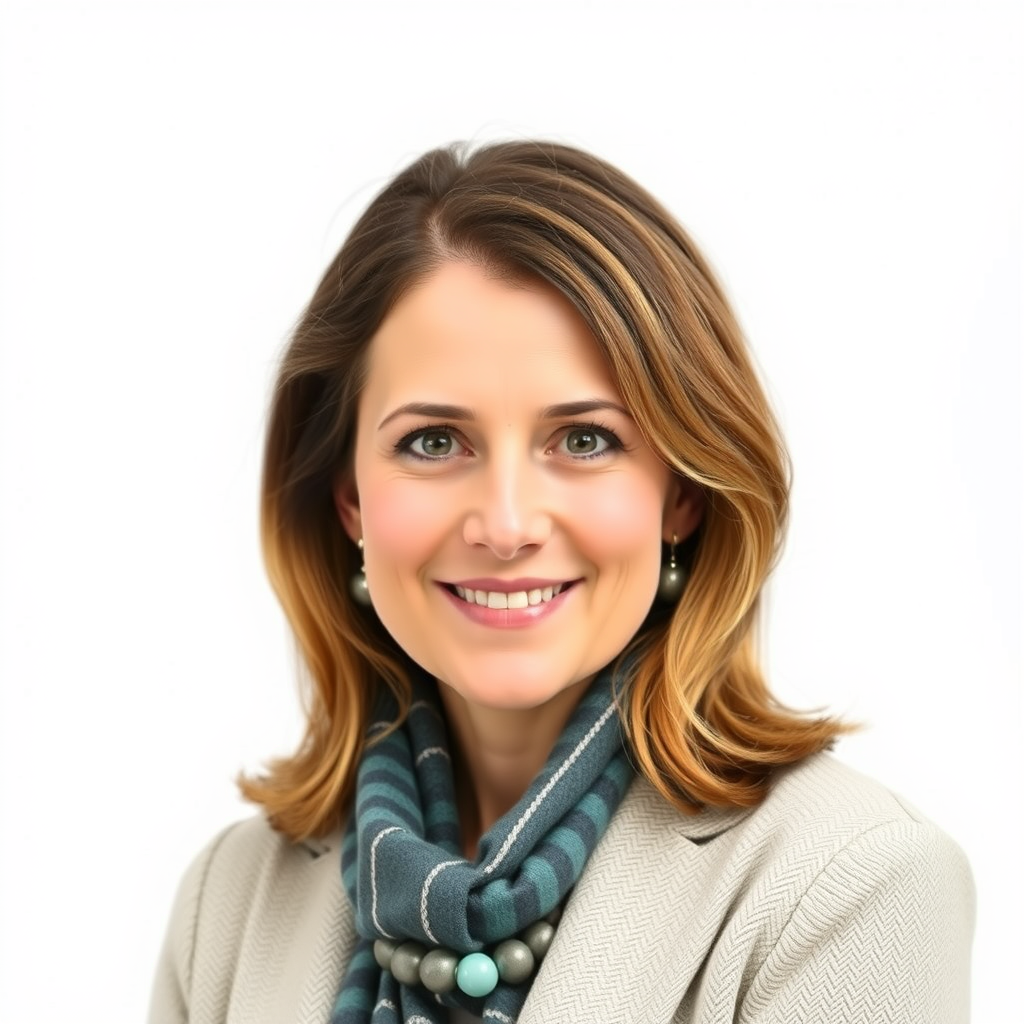
Nigel Farage spoke to the biggest Reform UK public meeting held in Scotland to date, however avoided engaging with the press corps afterwards. In his place, newly defected member of the House of Lords Malcolm Offord took on the task of field questions on allegations of racism and antisemitism linked to the party leader.
A High-Profile Defection
Farage introduced the former Conservative peer and wealthy businessman at a packed event of roughly seven hundred supporters in a hotel venue in central Scotland. Offord, who served as a Scotland Office minister under the last government and most recently served as treasurer of the Scottish Conservatives, stated his plan to relinquish his seat in the Lords in order to stand for Reform UK in the upcoming Scottish parliament vote.
The leader stated he was “extremely pleased” to welcome the new member. He called the peer’s defection as “a brave and historic act”.
Dodging the Press
The Reform leader spoke to the crowd following a difficult period which included him delivering a fierce criticism of the broadcaster for questioning him regarding a report into alleged racist and antisemitic behaviour as a youth. But, the leader avoided the expected press huddle after Saturday’s event.
Questioned why his new party’s leader was not available to address growing claims about his past behaviour, the new recruit responded: “That is a question for him to answer.”
Pressed on whether he believed an apology was necessary for the comments he is said to have made towards Jewish pupils, he stated: “That is a matter for him to deliberate on with his team.”
Defending the Leader
The peer maintained that Farage was “ethically suitable” to be prime minister and denied he was employing coded political messaging. While addressing supporters, the leader had reiterated on previous comments about the number of Glasgow schoolchildren who speak English as a second language by asking the rally: “Who authorised the complete transformation of Glasgow's demographics?”
Although the first minister, John Swinney condemned Farage’s original remarks as “racist”, and the Labour leader called them “harmful and polarising”, Offord maintained that his new leader was “highlighting a factual issue that people are talking about on the doorstep”.
A Party on the Rise
The rally, filled with an lively and passionate audience of predominantly older, white male backers who each paid £6 to attend, highlights the party’s growing confidence ahead of the Scottish vote.
Although the SNP continues to lead in the polls, Reform UK has made substantial progress in the past year, achieving a quarter of the vote in its first Holyrood byelection test. After the collapse in support for Scottish Labour, Reform has regularly pushed it into third place lately, polling up to 22%.
Declaring that Reform UK membership in Scotland had increased fourfold in the past year to a running total of 12,000, the party chair, David Bull stated his belief it could win around twenty parliamentary seats in May, which would place Reform in “a very strong position” in the Scottish Parliament.
Campaign Rhetoric
Thomas Kerr, one of Reform’s 19 Scottish councillors, elicited loud cheers as he described Farage as “Britain’s next prime minister”. He instructed the crowd to “man the barricades as we “challenge the ruling class”, cautioning that “the coming campaign will be difficult”.
Despite not yet publishing a distinct policy platform for Scotland, speakers from the north-east pledged Reform would “confront climate activists and those profiting from green policies”.
Farage himself expressed his pleasure at Reform's rise as a significant player in Scottish politics over the past 12 months, admitting to the audience that he was once told he “wouldn’t get 20 people in a room”.
Local Context
As the event was taking place, not far away in the heart of Falkirk, demonstrators with opposing views were gathering for what have become regular weekly confrontations outside a local hotel where asylum seekers are now housed.
The organisers of the demonstrations said it was galvanised by a serious local crime. In an interview, First Minister John Swinney cautioned that “what the far right do is to apportion the blame … to new arrivals and I think that is the root of the poison”.
However, he differentiated between those who hold far-right views and people with “valid concerns” about strain on public services or neighbourhood security.

